Most pet health problems are cheaper, easier and kinder to treat when they are caught early. That is the whole argument for routine care: you are not paying for the visit, you are paying for the diagnosis you avoid at three in the morning.
This page covers the preventive routine, the age at which each life stage needs more attention, what a monthly five-minute health check at home looks like, and the symptoms that mean stop reading and call a vet. Specific feeding, exercise and grooming detail is on the dog care and cat care pages.
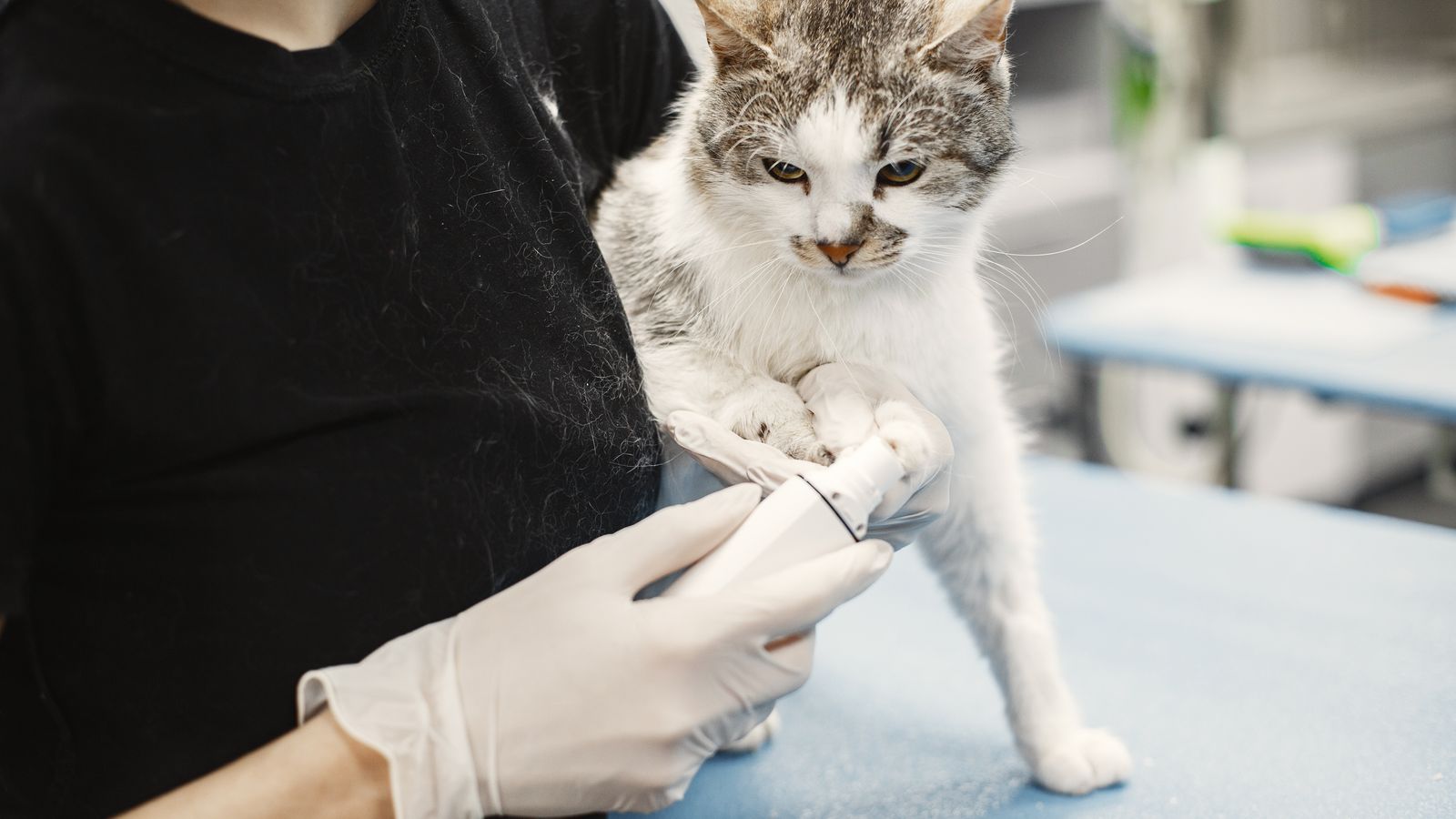
What routine care actually includes
A well-designed preventive routine covers five things, and each one is there for a reason:
- An annual physical exam — the vet checks weight, teeth, eyes, ears, heart, lungs, lymph nodes, abdomen, joints and skin. It is also where a baseline weight and history get recorded, which is what makes future changes meaningful.
- Vaccination — core vaccines for the species, plus rabies where legally required. Intervals are one year for some and three for others, depending on the product and local rules.
- Parasite prevention — fleas, ticks, intestinal worms and, for dogs, heartworm. Mostly monthly and year-round.
- Dental assessment — every visit, because by age three most dogs and cats already have some periodontal disease.
- Bloodwork and screening — from around middle age onward, once a year. This is how kidney disease, diabetes and thyroid problems get caught while they are still manageable.
None of it is glamorous, and that is the point. Prevention is the cheapest medicine you will ever buy.
How often, by life stage
The single most useful thing to get right is the visit frequency, because it changes more than anything else with age:
| Life stage | Visits | Main focus |
|---|---|---|
| Puppy / kitten | Every 3–4 weeks until ~16 weeks | Vaccine series, deworming, microchip, neutering, socialisation advice |
| Young adult (1–3) | Once a year | Annual exam, boosters, prevention, weight and dental baseline |
| Mature adult (4–7) | Once a year | Add routine bloodwork and a dental check; watch weight trends |
| Senior (dogs 7+, cats 11+) | Twice a year | Bloodwork, blood pressure, screening for the common senior diseases |
| Geriatric | Twice a year, or as advised | Pain management, mobility, organ function, quality of life |
Large and giant breed dogs age faster than small ones — a Great Dane is senior around six, a Chihuahua closer to ten. The Dog Age Calculator and Cat Age Calculator convert your pet's age into the equivalent stage if you are unsure where you sit.
The five-minute monthly check
You are the only person who sees your pet every day, which makes you the best early-warning system available. Once a month, when they are relaxed, work through this:
- Weigh them. Same scale, same time of day, write it down. Unexplained weight change is the most reliable early signal there is.
- Run your hands over the whole body. You are feeling for new lumps, scabs, tender spots, matting and symmetry. Do it slowly enough to notice a pea-sized change.
- Check the mouth. Lift the lip: gums should be pink, not pale, blue or bright red. Look for brown tartar along the gumline, reddened gums and broken teeth. Breath should not be foul.
- Look at the eyes and ears. Clear eyes, no discharge, no redness. Ears should be clean and odourless; head shaking or scratching at an ear is a vet question.
- Watch them move. Get them to walk, trot and, if you can, climb stairs. Subtle stiffness, a reluctance to jump, or a head carried low are easy to miss until they become limping.
- Check the basics. Appetite, water intake and litter tray or toilet habits. A change in any of these three is more informative than most physical findings.
- Body condition. Ribs easily felt under a thin layer, a visible waist from above. If you cannot find the ribs, that is a finding.
Write down anything that differs from last month. A single odd observation is usually nothing; a pattern across two months is a reason to book an appointment.
Symptoms that mean call today
Some things should not wait for a convenient appointment. Contact a vet the same day for:
- Straining to urinate with little or nothing produced — especially male cats and male dogs. A blockage can be fatal within a day.
- A bloated, hard, painful abdomen with retching — bloat and gastric torsion is a surgical emergency, most common in deep-chested dogs.
- Not eating for more than 24 hours, or refusing water at all
- Repeated vomiting, vomiting blood, or diarrhoea lasting more than a day
- Breathing that is fast or laboured at rest, or gums that look pale, blue or white. Cats should never pant.
- Collapse, seizure, disorientation, or a sudden inability to use the back legs
- Known or suspected ingestion of chocolate, xylitol, grapes, lilies, essential oils, human medication or a foreign object
- Jaundice — a yellow tinge to the gums, ears or the whites of the eyes
- Bleeding that will not stop, or a wound that goes through the full thickness of the skin
- Heatstroke signs — heavy panting, drooling, wobbliness, in hot weather or a parked car
Book an appointment rather than waiting
- A limp that lasts more than a couple of days, or any limp in a growing puppy
- Weight loss despite a normal appetite — a classic sign of hyperthyroidism, diabetes or kidney disease
- Drinking noticeably more than usual
- A cough that will not settle, especially at night
- A new lump, or a change in an existing one
- Bad breath, dropping food, or chewing on one side
- Over-grooming to bald patches, or a sudden change in temperament
- Any change in toilet habits, including going outside the tray or indoors
What you can influence, and what you cannot
Genetics and luck set the ceiling. Within that ceiling, a small number of things do most of the work:
- Weight. Obesity is linked to arthritis, diabetes, heart disease, urinary problems and a measurably shorter life. Keeping a pet lean is the single highest-value thing an owner can do, and it is free.
- Dental hygiene. Daily brushing prevents a disease that damages the heart and kidneys over years.
- Prevention. Vaccines and parasite control are cheap against the diseases they stop.
- Neutering. Removes the risk of several cancers and of unwanted litters, with its own trade-offs to discuss with your vet.
- Environment. Indoor cats live longer. Secure fencing, car restraints and keeping poisons out of reach prevent a large share of accidents.
- Early detection. The items on the two lists above are only useful if you act on them.
You cannot control breed predisposition, congenital conditions or plain bad luck. You can control how early those things get noticed, and that usually changes both the outcome and the bill.
What it costs to stay ahead
Preventive care is a small, predictable slice of the total: routine veterinary care usually runs about $200 to $500 a year, plus parasite prevention, and a dental cleaning every few years at $300 to $800. Against that, a single emergency visit commonly lands between $500 and $5,000, and major surgery runs higher.
The pet cost page breaks the whole budget down, the calculator gives you your own annual figure, and the insurance page explains how to shift the unpredictable part of that risk elsewhere if you would rather not carry it yourself.
None of this requires special knowledge. Weigh them monthly, look in their mouth, watch them move, know what is normal for your pet, and act on change rather than waiting for it to become obvious. That is most of preventive medicine from an owner's side.
General guidance only, not veterinary advice and not a substitute for an examination. Schedules and symptoms vary by species, breed, age and region — when in doubt, contact your own vet rather than waiting.