Pet insurance is reimbursement, not a discount card. You pay the vet in full, then claim the money back. Whether it is worth it comes down to two questions: could you absorb a $4,000 emergency next month without borrowing, and would you rather pay a small amount monthly or a large amount unpredictably? Neither answer is wrong, but they lead to different choices.
This page explains how policies actually work, the four numbers that decide whether a plan is good, when buying early matters, and the exclusions that catch people out. The narrower dog-specific version is in the insurance guide.
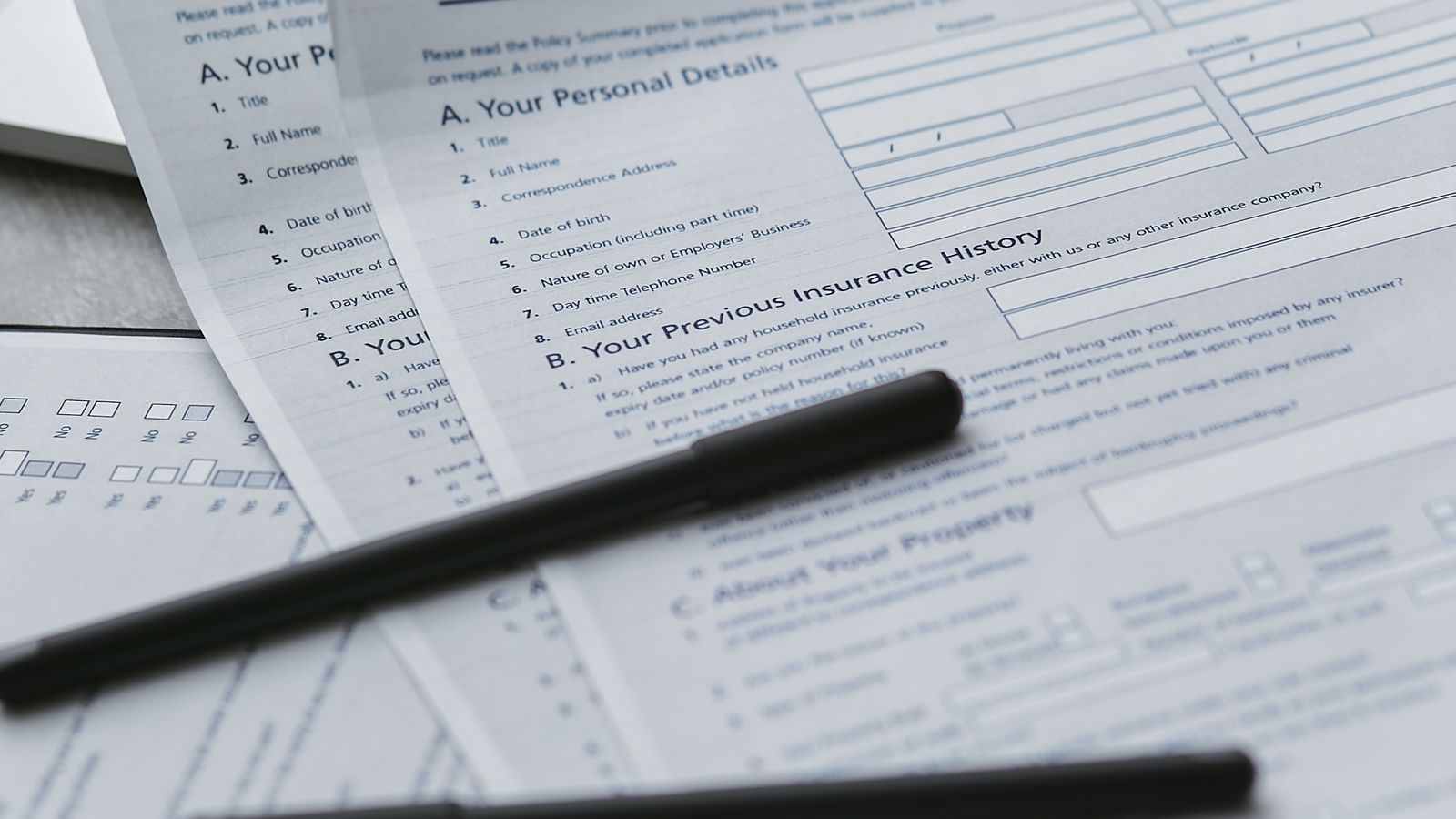
What pet insurance covers
Most policies reimburse treatment for accidents and illnesses:
- Broken bones, wounds, swallowed objects, torn ligaments
- Cancer, infections, digestive and urinary problems, allergies
- Hereditary and congenital conditions, if the policy allows them
- Surgery, hospitalisation, prescription medication, diagnostics such as X-rays, ultrasound and bloodwork
- Some plans add behavioural therapy, prescription diets or alternative treatment
What it usually does not cover
- Pre-existing conditions — anything showing signs before cover started, or during the waiting period. This is the single biggest exclusion and it is usually permanent.
- Routine and preventive care — annual exams, vaccines, flea and worm prevention, neutering. Some plans sell a wellness add-on for this, but the maths rarely works in your favour; it is pre-paying your own predictable bills plus an admin margin.
- Cosmetic and elective procedures — tail docking, ear cropping, declawing.
- Breeding, pregnancy and whelping.
- Dental disease on many plans, unless it is caused by an accident — and often only if you can show a history of professional cleanings.
- Bilateral conditions, where one side is excluded because the other was already affected. A common trap: a torn cruciate ligament in one leg can exclude the other.
The four numbers that decide everything
| Number | Typical range | What it means for you |
|---|---|---|
| Deductible | $100 – $1,000 a year | What you pay first, before the insurer pays anything. Higher deductible means a lower premium. |
| Reimbursement rate | 70% / 80% / 90% | The share of the remaining bill they cover. The most commonly chosen level is 80–90%. |
| Annual limit | $3,000 – unlimited | The most they pay in a year. Low limits fail precisely when you need them — cancer treatment or major surgery. |
| Waiting period | 2 – 30 days, longer for orthopaedic | Time before cover starts. Illness waits are longer than accident waits; cruciate and hip conditions often wait six months or more. |
How the four numbers combine
A sample $3,000 bill under three different configurations. This is where people discover that the cheapest premium is not the cheapest policy:
| Plan shape | You pay | Insurer pays |
|---|---|---|
| $250 deductible, 90% reimbursement, unlimited | $525 | $2,475 |
| $500 deductible, 80% reimbursement, $10,000 limit | $1,000 | $2,000 |
| $1,000 deductible, 70% reimbursement, $3,000 limit | $1,600 | $1,400 |
The arithmetic: you pay the deductible, then your share of what is left. With a $500 deductible and 80% reimbursement on a $3,000 bill, you pay $500 plus 20% of the remaining $2,500 — that is $500 + $500 = $1,000.
Run the same three plans against a $12,000 cancer treatment and the $3,000 limit collapses entirely: the third plan stops paying at $3,000 and you carry the rest. That is the failure mode to avoid.
A note on deductibles
Annual deductibles reset every policy year and tend to be better value than per-incident deductibles, which apply again for each new condition. If you choose a high deductible to keep the premium down, make sure you genuinely have that amount available — otherwise you have bought a policy you cannot use.
When to buy
As early as possible, ideally the week you bring the pet home. Premiums rise with age, and more importantly, anything that appears in the medical record before cover starts becomes pre-existing and is normally excluded for life. Waiting two years "to see if we need it" is exactly how people end up unable to insure a condition they then spend thousands on.
- Puppies and kittens get the lowest premiums and the fewest exclusions. Enrol once the waiting period can clear before any hereditary issue shows up.
- Adult pets can still be insured, but review the medical history first. Insurers ask for it, and undisclosed history is a common reason claims get denied.
- Older pets face higher premiums, more exclusions, or refusal. If insurance is no longer viable, a dedicated savings account is the realistic alternative.
How claims actually work
The mechanics are worth understanding before you need them:
- You pay the vet in full at the time of treatment. Most vets do not bill insurers directly.
- You submit the itemised invoice and the clinical notes, usually through an app, within the insurer's deadline — often 90 to 180 days from treatment.
- The insurer applies the deductible and reimbursement rate and pays you, typically within two to four weeks.
- Some insurers will pay the vet directly if you arrange it in advance, which matters for very large bills. Ask before the treatment, not after.
Keep every record — invoices, notes, and a note of when symptoms first appeared. Missing documentation and late submission are the two most common reasons a legitimate claim is refused.
Before you buy
- Read a sample policy, not just the summary page. Definitions and exclusions live in the full wording.
- Look up how they define pre-existing. Some insurers use "showing clinical signs", others "diagnosed" — a big difference.
- Check whether premiums rise with age and by roughly how much. Ask directly.
- Confirm waiting periods for accidents, illness and orthopaedic conditions separately.
- Check exclusions for hereditary and bilateral conditions if your breed is prone to hip or knee problems.
- Compare at least three insurers using the same deductible and reimbursement rate, or you are not comparing like with like.
- Ask about multi-pet discounts, which are usually 5% to 10%.
- Search for recent reviews specifically about claim processing speed, not about price.
Insurance or a savings fund?
These solve different problems, and the honest framing is this: insurance protects against the bill you cannot afford; savings cover the ones you can.
| Insurance | Savings fund | |
|---|---|---|
| Monthly cost | $30 – $70 for a dog, less for a cat | Whatever you can set aside |
| Handles a $10,000 bill | Yes, if the limit allows | Only if you have saved that much |
| Money back if unused | No — premiums are gone | Yes, it stays yours |
| Best suited to | Owners without a large emergency buffer, and breeds prone to costly conditions | Owners with real savings and discipline, or pets already uninsurable |
| Main risk | Exclusions and premium increases with age | A serious illness in year one, before the fund has built up |
A hybrid works for many people: insure against the catastrophic, and keep a small fund for the deductibles and the routine costs insurance will not touch. In the US, some pet savings accounts also let you hold the money in a tax-advantaged way, which is worth checking with a tax professional.
Accident-only or comprehensive?
There are broadly three shapes of policy, and the difference matters more than the brand:
| Plan type | Covers | Typical cost | Suits |
|---|---|---|---|
| Accident-only | Injuries: fractures, bites, swallowed objects, car accidents | Lowest | A tight budget, or a young pet you mainly want covered against mishaps |
| Accident and illness | Everything above plus cancer, infections, hereditary conditions | Mid to high | Most owners — this is the plan that handles the bills people actually fear |
| Comprehensive with wellness | All of the above plus routine exams, vaccines, dentals | Highest | Owners who prefer one predictable monthly figure and do not mind the margin |
Accident-only is genuinely cheaper, and for a young indoor cat it is a defensible choice. But be clear about what it does not do: it will not help with the kidney disease, the cancer, or the diabetes that make up a large share of the expensive claims in older pets.
Why the same policy costs different amounts
Two owners with identical pets can be quoted hundreds of dollars apart. The variables insurers price on:
- Species and breed — dogs cost more than cats; breeds with known hereditary problems cost more than mixed breeds. A Great Dane and a Chihuahua are not priced remotely alike.
- Age at enrolment — this is why enrolling early matters. A one-year-old may be quoted at half the price of a seven-year-old for identical cover.
- Where you live — premiums track local veterinary costs, which vary enormously between cities and between countries.
- The numbers you chose — raising the deductible or lowering the reimbursement rate reduces the premium, at the cost you have already seen above.
- Whether the pet is neutered, and in some markets whether it is indoor-only.
Mistakes that cost real money
- Choosing on price alone. The cheapest quote is often cheap because of a low annual limit or a per-incident deductible — the two features most likely to leave you under-covered.
- Assuming everything is covered. Wellness, dental and pre-existing conditions usually are not.
- Not disclosing history. If the insurer asks and you leave something out, a later claim can be denied and the policy cancelled.
- Waiting until the pet is sick. You cannot buy cover for a condition that already exists. Timing is the one thing insurance cannot fix retroactively.
- Missing the claim deadline. Most policies require submission within 90 to 180 days. Diarise it — people lose legitimate claims by simply forgetting.
- Not checking how the vet gets paid. Most vets do not bill insurers directly, so you need the cash upfront. For a $6,000 surgery that is a real problem if you have not planned for it.
- Forgetting that premiums rise with age. Budget for the premium in year eight, not just year one.
Eight questions to ask before you sign
- How do you define a pre-existing condition — clinical signs, or diagnosis?
- Is the deductible annual or per condition?
- Is the annual limit per condition or for the whole policy year?
- What are the waiting periods for accidents, illness, and orthopaedic conditions separately?
- Are hereditary and bilateral conditions covered, and after what waiting period?
- Are dental treatments covered, and do they require a history of professional cleanings?
- How much have premiums risen for existing customers over the last three years?
- Will you pay my vet directly for a large claim, and what do I need to arrange in advance?
Ask these in writing — email or chat — and keep the answers. If an insurer will not answer a direct question clearly, that tells you something useful before you have paid them anything.
What it actually costs
Accident-and-illness cover for a dog commonly runs $300 to $800 a year, and cats are usually cheaper. Premiums climb with age and vary a lot by breed and by region — the same policy can differ by hundreds of dollars between two postcodes, because veterinary costs do.
Compare that with the numbers on the other side: a single emergency visit is often $500 to $5,000, a cruciate repair typically $2,000 to $5,000, and cancer treatment can exceed $10,000. The pet cost calculator shows where insurance sits against food, routine vet care and grooming in a normal year, and the cost guide explains each line.
Our own cost estimates put a small dog at roughly $500 to $1,500 a year and a large dog at $1,500 to $3,000 or more. Insurance is a meaningful share of that — which is exactly why it deserves an hour of comparison rather than a click on the cheapest quote.
No page can tell you which insurer to choose. What it can do is tell you the four numbers to compare, the exclusions to read before you pay, and the fact that buying early is worth more than buying cheap.
General information, not financial or veterinary advice, and not a recommendation of any insurer. Premiums, limits and exclusions vary by provider, species, breed and region — always read the full policy wording before buying.